
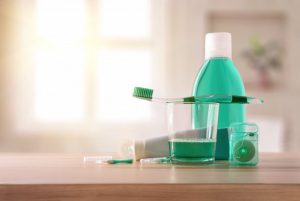
Have you ever found an unopened tube of toothpaste while cleaning out your bathroom? Aside from being a little dusty, it looks perfectly fine, and you don’t see a “best by” date on it anywhere. Does that mean it’s safe to use? Dental products like toothpaste, floss, and mouthwash don’t have an expiration date printed on them, but they do show the date they were manufactured. Similar to an expiration date, each dental product is only good for so long after that date. They may not go bad in the same way that foods and drinks do, but that doesn’t always mean dental products are safe to use after they’ve expired. Read on to learn more about the expiration dates on dental products you use every day, and which ones matter the most for your oral health.
Toothpaste
That old tube of toothpaste you found isn’t dangerous, but it isn’t good for you either. Two years after its manufactured date, the flavor and fluoride will fade. While a less flavorful toothpaste isn’t a big deal, the strength of the fluoride is. Old fluoride won’t stick to your teeth as well, ultimately not protecting you from cavities. If you have no other option, using that old toothpaste won’t hurt you. However, if you continue to use it, you’ll be putting your teeth in danger.
Mouthwash
Mouthwash is mostly water with an added antiseptic like alcohol to kill bacteria. Unfortunately, that active ingredient can’t keep it from going bad. The antiseptic will start to dissolve two years past its manufactured date. Not only will it lose its effectiveness, but it puts your mouthwash at a higher risk for growing bacteria. This oral healthcare product is definitely something you want to avoid if it’s expired.
Floss
You should replace your floss if you notice it’s brittle or breaks easily. Other than that, floss is one of the only dental products without an expiration date! A year after the manufactured date, it will lose its minty flavor, but will continue to be effective with proper use!
Toothbrush
Your toothbrush won’t expire in a set amount of time after its manufactured date, but it certainly needs to be replaced often. The soft bristles on your toothbrush become frayed and worn down very quickly after constant use, becoming far less effective at cleaning your teeth. It’s recommended that you use a new toothbrush every 3-4 months to replace those worn-out bristles with new ones that are up to the task of removing plaque and food particles.
Dental Restorations
Dental restorations may not be like your typical oral hygiene products, but they do have “expiration dates” based on their lifespan. Some of these include:
- Tooth-Colored Fillings: Made of composite resin, they usually last around a decade and require replacement due to general wear and tear.
- Dental Crowns: Depending on the material used, they can remain in place for 15-20 years. Placement often plays a role in their lifespan, as those placed on back teeth endure more wear and tear due to chewing and eating.
- Dentures: Custom-made to replace multiple teeth or entire arches, partial and full dentures typically last 5-8 years, with some remaining in place for up to a decade. Relines are common, as your jawbone will experience resorption over time.
- Dental Implants: Considered the longest-lasting tooth replacement option available, these prosthetics can offer optimal support for decades. Some cases report patients wearing them for a lifetime. The restorations used to replace the crowns of teeth will need to be replaced much sooner, but the integration of the implants with the underlying bone can last 30+ years.
Of course, these timeframes are only possible if you take proper care of your artificial teeth. This means seeing your dentist regularly and practicing good oral hygiene at home.
Preventive care and great oral habits like regular brushing, flossing, and using mouthwash are the best way to stop health issues like cavities and gum disease as early as possible. Protect your teeth by seeing your dentist regularly and keeping an eye on the expiration date of some of your favorite dental products!
About the Author
Dr. Dhavalkumar Rana is a graduate of the prestigious New York University and an active member of the American Dental Association, the Texas Dental Association, and the Dallas County Dental Association. He strongly believes in the power of preventive dentistry and the importance of healthy oral habits at home. If you’d like to know more about the article you just read, you can reach him through his website or at (469) 202-9624.